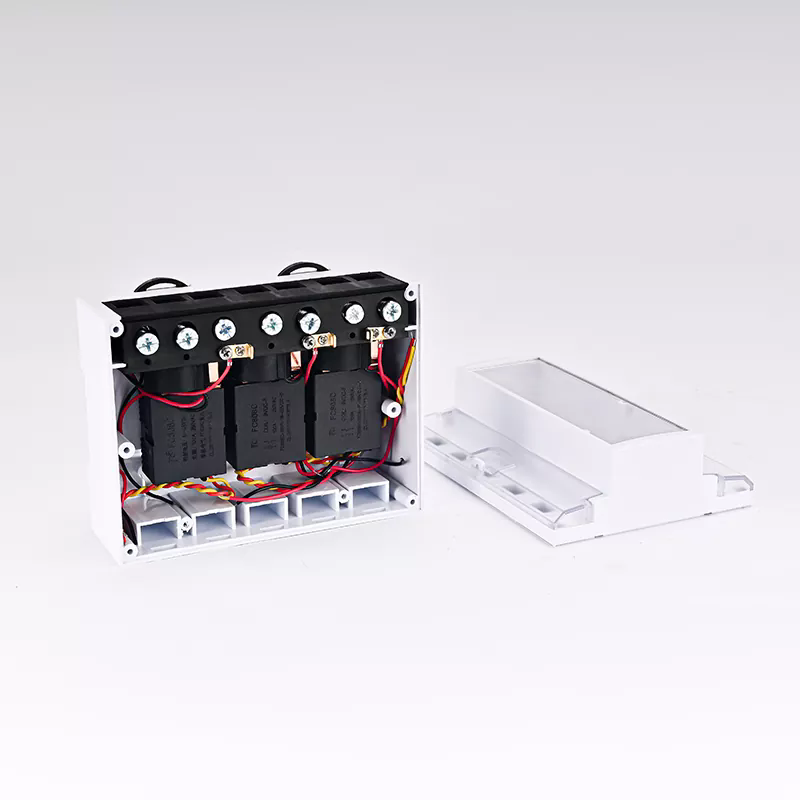
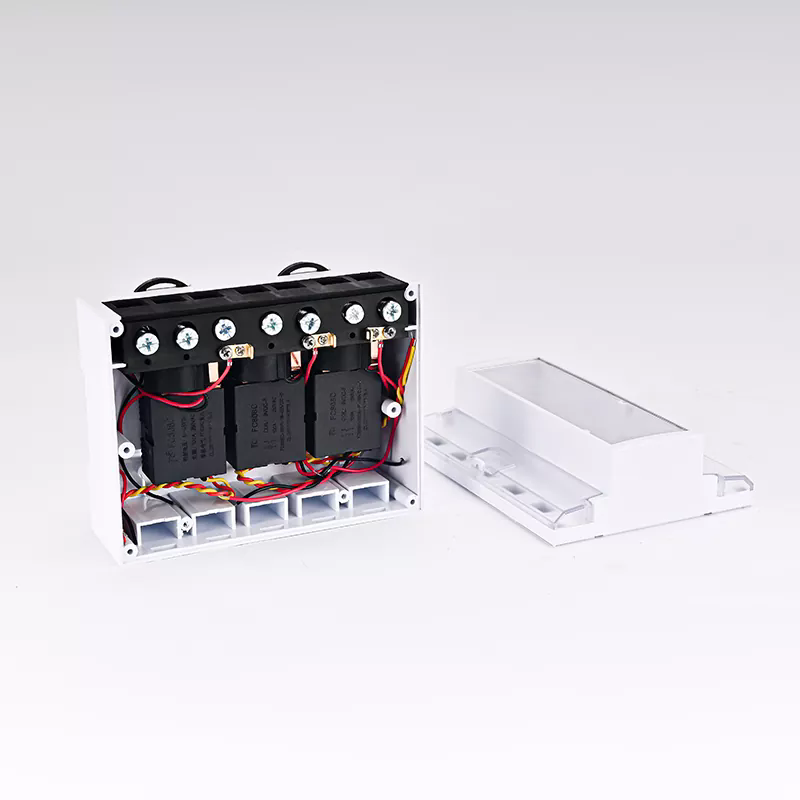
Modern vehicles rely on increasingly complex electrical systems—from onboard computers and safety sensors to advanced infotainment and energy management modules. As electrical loads grow, managing battery power efficiently becomes critical. One component that plays a vital role in optimizing battery performance and preventing unnecessary power consumption is the Latching Relay for Automotive Battery. Unlike traditional relays that require continuous current to maintain their state, latching relays use a pulse signal to switch states and remain there without additional power. This simple yet powerful design significantly improves energy efficiency, enhances reliability, and helps protect automotive batteries from unnecessary drain.
Automotive engineers, vehicle manufacturers, and system designers are increasingly adopting latching relay technology in electric vehicles, hybrid platforms, fleet management systems, and aftermarket battery protection devices. In this comprehensive guide, we explore how automotive latching relays work, why they are critical for battery management, their advantages compared with traditional relays, and how to choose the right model for your application. We will also discuss practical use cases, installation considerations, and frequently asked questions to help you make an informed decision.
Article Summary
This article provides a complete overview of the Latching Relay for Automotive Battery, explaining its operating principle, benefits, common automotive applications, and how it improves power management efficiency. It also highlights key technical considerations and introduces reliable solutions offered by Yueqing Face Electric Co., Ltd..
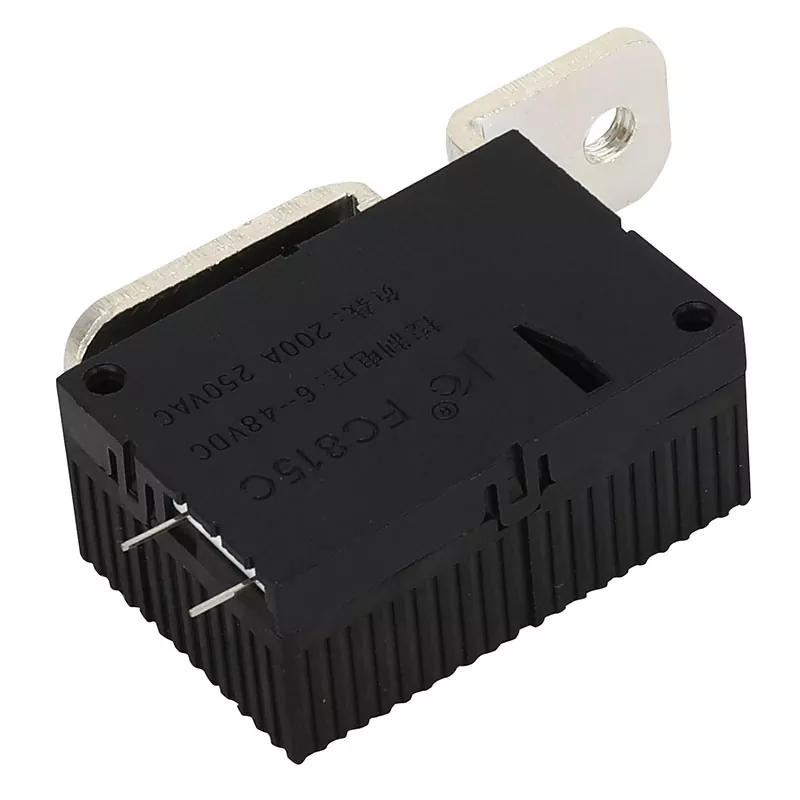
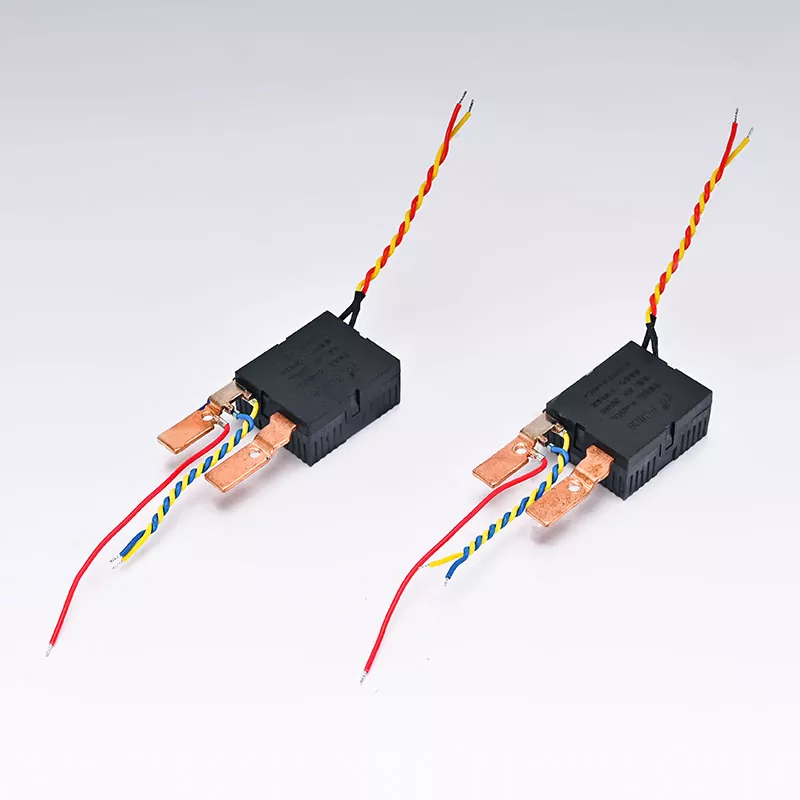
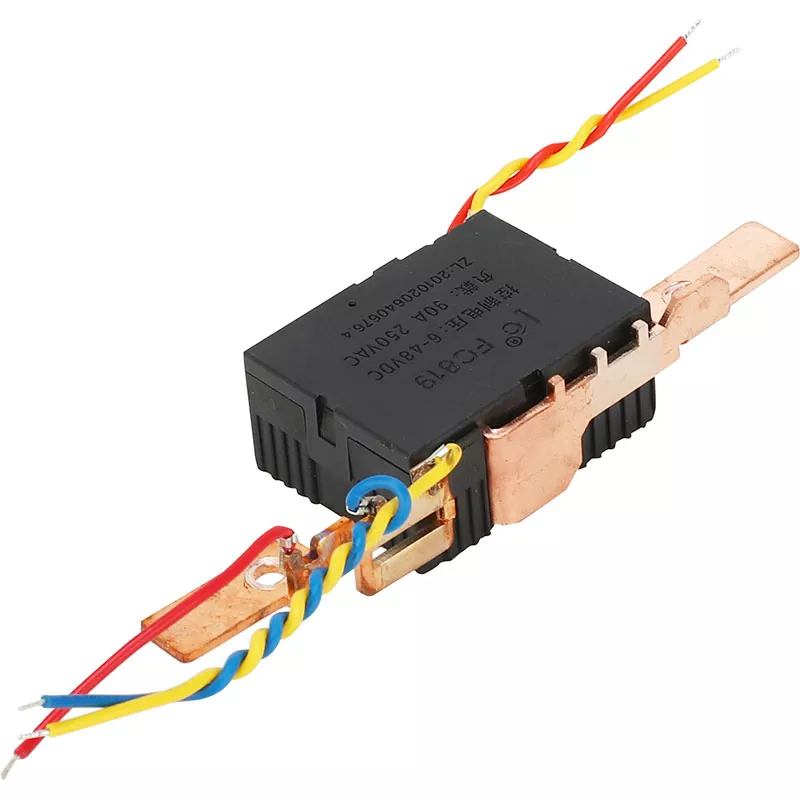
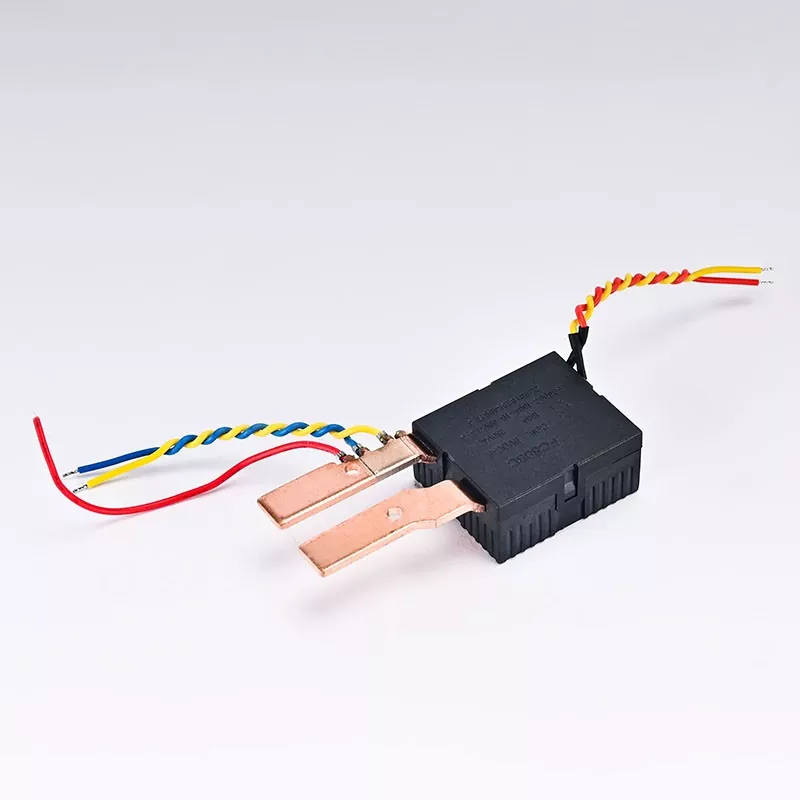
A Latching Relay for Automotive Battery is an electromechanical switching device designed to control high-current battery circuits while consuming minimal power. Unlike standard relays that require continuous current to remain activated, a latching relay only requires a short electrical pulse to switch between ON and OFF states.
Once switched, the relay mechanically locks (or "latches") into position without further energy input. This makes it particularly useful for automotive systems where energy efficiency and battery preservation are essential.
Typical components of an automotive latching relay include:
Electromagnetic coil
Permanent magnet or mechanical latch mechanism
High-current contact terminals
Control signal terminals
Protective housing for harsh environments
Manufacturers such as Yueqing Face Electric Co., Ltd. design latching relays specifically for demanding automotive environments, ensuring durability under vibration, temperature fluctuations, and high electrical loads.
How Does a Latching Relay Work in Automotive Systems?
The operating principle of a latching relay is relatively simple yet highly efficient. Instead of constantly powering a coil to hold contacts in position, a latching relay uses a brief electrical pulse to toggle its internal mechanism.
The process works as follows:
A control module sends a short electrical pulse to the relay coil.
The magnetic field moves the relay contacts into the desired position.
A mechanical latch or magnetic force holds the contacts in place.
No further electrical power is needed until the next switching pulse.
This approach drastically reduces energy consumption compared with traditional relay systems, making it ideal for vehicles where power efficiency directly affects battery life.
What Automotive Battery Problems Can Latching Relays Solve?
Many vehicle owners and manufacturers face common electrical challenges related to battery performance and reliability. Latching relays address several of these issues effectively.
Battery Problem
How Latching Relays Help
Battery drain during vehicle inactivity
Relay isolates circuits without continuous power consumption
High standby current from control systems
Mechanical latching eliminates constant coil current
Limited battery capacity in electric vehicles
Efficient switching conserves stored energy
Power management complexity
Relay enables simplified battery disconnect systems
Overload protection requirements
Reliable switching improves safety in high-current circuits
Automotive engineers increasingly rely on solutions from companies like Yueqing Face Electric Co., Ltd. to solve these power management challenges.
What Are the Advantages of Latching Relays Compared with Traditional Relays?
Understanding the differences between relay types is essential when designing automotive power systems.
Feature
Latching Relay
Traditional Relay
Power Consumption
Only during switching
Continuous coil current required
Energy Efficiency
Very high
Moderate
Battery Protection
Excellent
Limited
Heat Generation
Low
Higher
Suitability for EVs
Highly suitable
Less efficient
Because of these advantages, latching relays are widely used in modern automotive electrical architectures.
Where Are Latching Relays Used in Vehicles?
The versatility of latching relays makes them suitable for a wide range of automotive applications.
Main battery disconnect systems
Electric vehicle battery isolation
Solar-powered vehicle accessories
Emergency power cutoff systems
Vehicle fleet battery management
Smart energy management modules
Recreational vehicles and marine battery control
For example, many electric vehicles use latching relays to isolate high-voltage battery packs when the vehicle is parked. This ensures safety and prevents unnecessary energy consumption.
Advanced relay products from Yueqing Face Electric Co., Ltd. are designed to support these demanding automotive applications.
How to Choose the Right Automotive Battery Latching Relay?
Selecting the correct relay requires careful evaluation of several technical factors.
Rated voltage compatibility
Maximum current capacity
Contact resistance
Mechanical life cycle
Operating temperature range
Vibration resistance
Control signal requirements
Automotive environments can be extremely harsh. Temperature variations, vibration, and moisture exposure all influence relay performance. Choosing a reliable supplier such as Yueqing Face Electric Co., Ltd. ensures that the relay meets stringent automotive standards.
Installation and Safety Considerations
Proper installation is essential to maximize relay performance and maintain system safety.
Recommended practices include:
Install the relay close to the battery to minimize voltage drop
Use appropriately rated wiring for high-current circuits
Ensure proper insulation and environmental protection
Integrate fuses or circuit breakers where necessary
Follow manufacturer wiring diagrams
Professional-grade products from Yueqing Face Electric Co., Ltd. are engineered with safety and reliability in mind, simplifying installation and reducing maintenance requirements.
Why Choose Yueqing Face Electric Co., Ltd. for Latching Relays?
When sourcing critical automotive electrical components, reliability and product consistency are essential. Yueqing Face Electric Co., Ltd. is a trusted manufacturer specializing in advanced relay solutions for automotive and industrial applications.
Key strengths include:
Extensive experience in relay manufacturing
Advanced production technology
Strict quality control processes
Customizable solutions for automotive systems
Global supply capability
Their latching relays are designed to deliver stable switching performance, long service life, and excellent resistance to harsh operating conditions.
Frequently Asked Questions
Q1: Do latching relays consume power continuously?
No. Latching relays only consume power during the switching process. Once the relay changes state, it remains in that position without additional electrical input.
Q2: Are latching relays suitable for electric vehicles?
Yes. Their low energy consumption and reliable switching make them ideal for electric vehicle battery systems.
Q3: What current ratings are typical for automotive battery relays?
Depending on the application, automotive latching relays typically handle currents ranging from 50A to over 500A.
Q4: Can a latching relay improve battery life?
Yes. By eliminating continuous coil power consumption, latching relays reduce overall energy usage and help extend battery life.
Q5: Where can I source reliable automotive latching relays?
Reliable manufacturers such as Yueqing Face Electric Co., Ltd. offer high-quality latching relays designed specifically for automotive battery management systems.
Conclusion
As vehicle electrical systems become more sophisticated, efficient battery management becomes increasingly important. The Latching Relay for Automotive Battery offers a powerful solution by providing reliable switching while minimizing energy consumption. Its ability to maintain switching states without continuous power makes it an ideal component for modern automotive designs, particularly in electric and hybrid vehicles.
By choosing advanced relay solutions from Yueqing Face Electric Co., Ltd., manufacturers and engineers can ensure reliable battery control, improved energy efficiency, and enhanced system safety.
If you are searching for durable, high-performance automotive latching relays for your vehicle systems or energy management projects, contact us today. The expert team at Yueqing Face Electric Co., Ltd. is ready to provide professional support, customized solutions, and reliable products tailored to your specific requirements.
We use cookies to offer you a better browsing experience, analyze site traffic and personalize content. By using this site, you agree to our use of cookies.
Privacy Policy