Yueqing Face Electric Co., Ltd.
News

How Can a Latching Relay Transform Your Smart Home?

2026-05-21 0 Leave me a message

Abstract: Smart homes are no longer a futuristic concept—they are a present-day reality. A latching relay can make automation more efficient, reliable, and energy-saving. In this article, we explore what latching relays are, how they work, their benefits in smart home systems, practical installation tips, and common questions homeowners face. By understanding this key component, you can elevate your smart home setup to the next level.

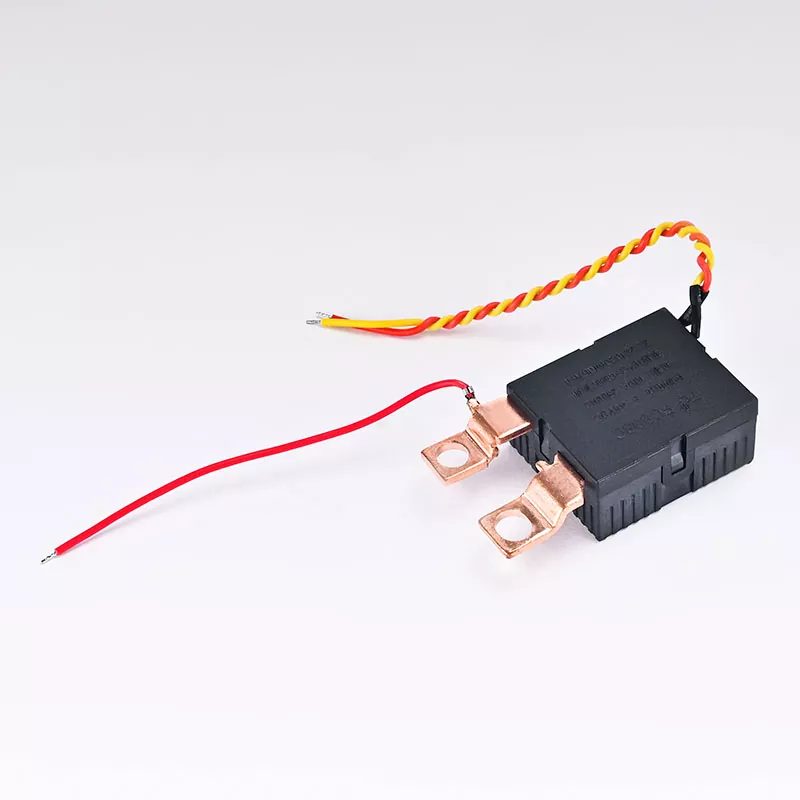
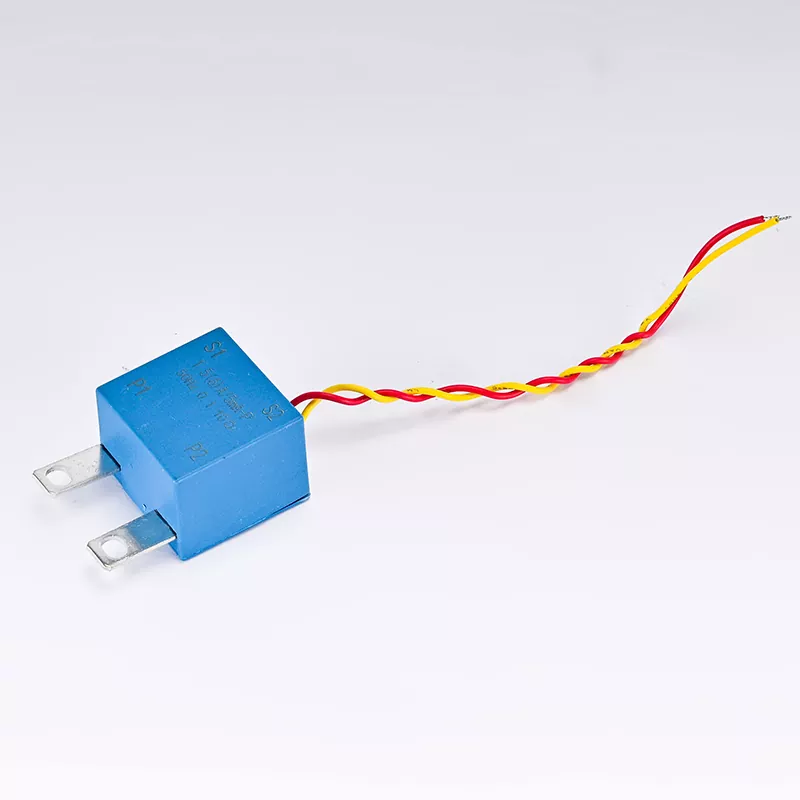
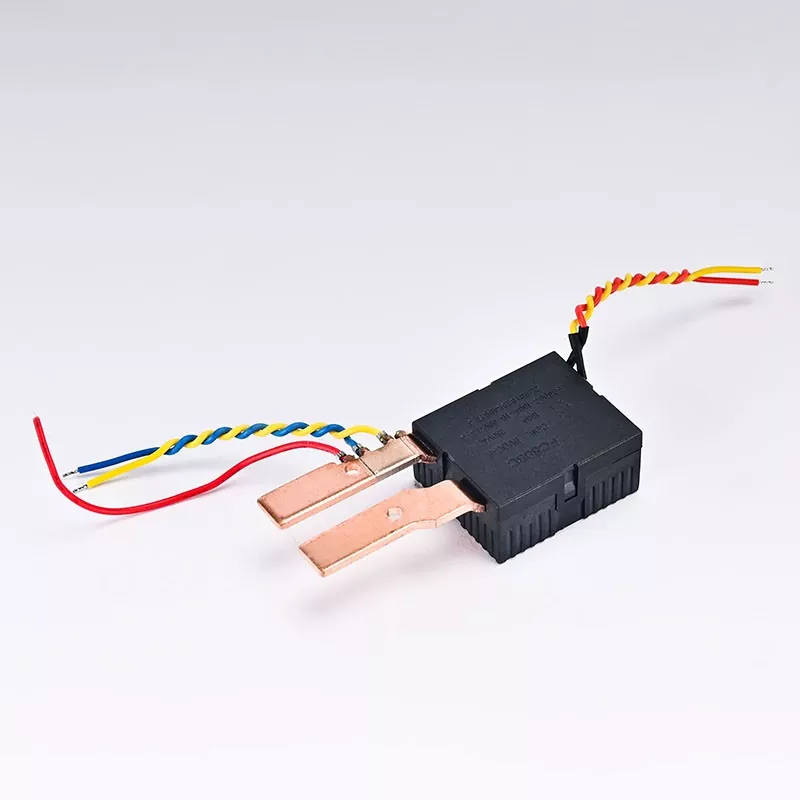
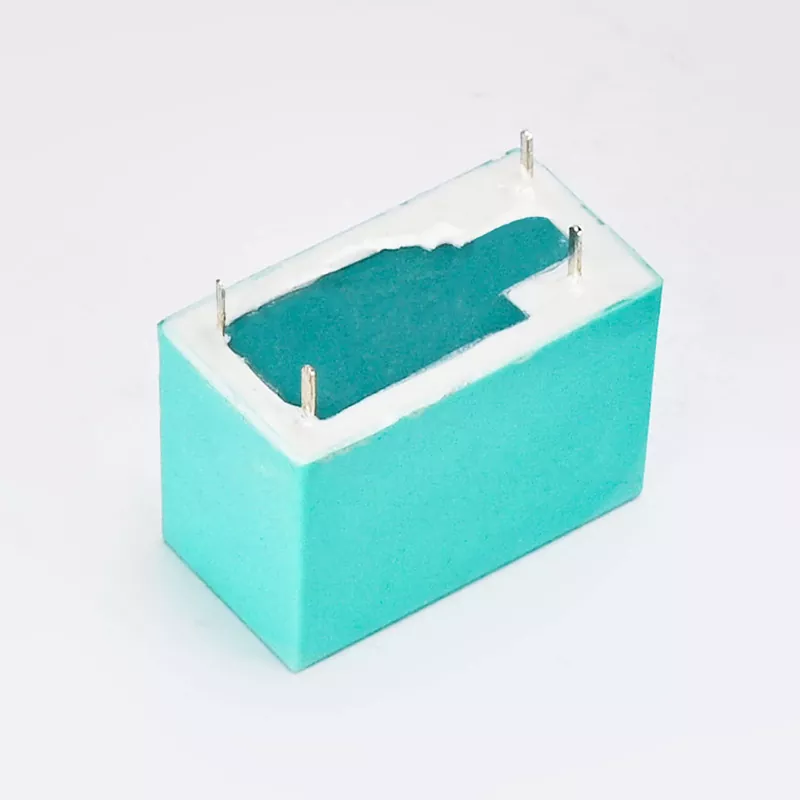
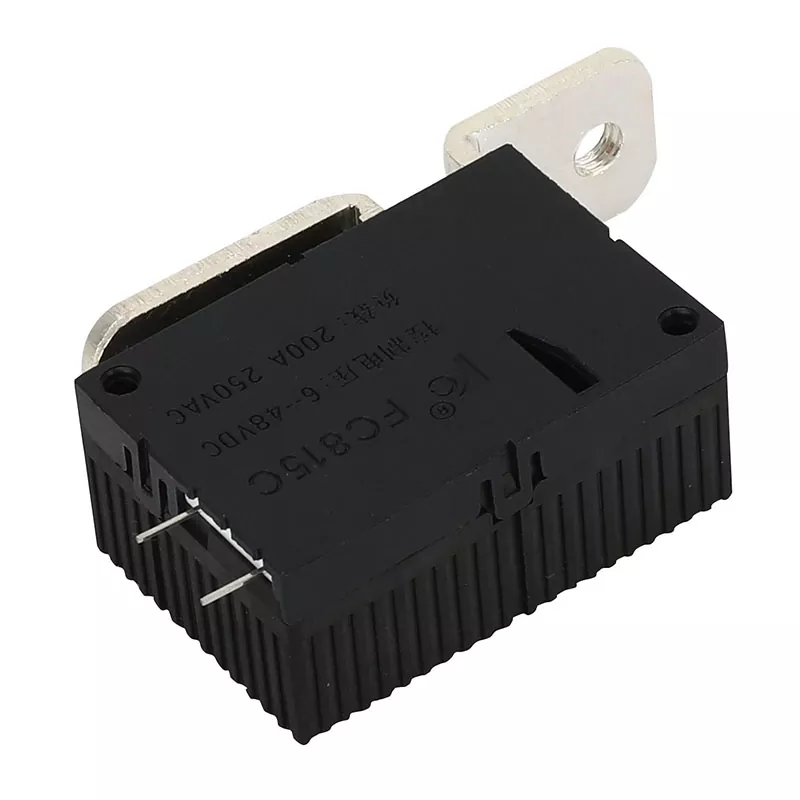
16A Small Latching Relay

Table of Contents


What is a Latching Relay?

A latching relay, sometimes referred to as a bistable relay, is an electromechanical switch that maintains its position even after the electrical input is removed. Unlike traditional relays that require continuous power to stay activated, latching relays "latch" into a position, conserving energy and reducing wear on the relay coil.

  • Bistable Mechanism: It has two stable states—ON and OFF.
  • Power Efficiency: Only requires a brief pulse of power to change states.
  • Reliability: Less heat generation and reduced mechanical wear.

For smart home enthusiasts looking to automate lighting, appliances, or security systems, a latching relay is often more reliable and energy-efficient than a traditional relay.


How Does a Latching Relay Work?

Latching relays operate using a pulse signal that changes the relay’s state without requiring continuous current. This pulse can be triggered by a smart switch, sensor, or home automation system.

Component Function
Coil Receives a brief electrical pulse to switch the relay state
Contacts Opens or closes circuits based on the relay state
Spring Mechanism Maintains the relay in its last position after pulse removal

The relay will stay in its last switched state until another pulse is received, making it ideal for scenarios where constant power supply is undesirable.


Key Benefits of Latching Relays in Smart Homes

Integrating latching relays into your smart home setup provides several advantages:

  1. Energy Efficiency: Minimal power consumption as it only uses a pulse to switch states.
  2. Extended Device Life: Reduced heat and mechanical stress prolong relay longevity.
  3. Reliable Automation: Maintains its state even during power interruptions.
  4. Cost Savings: Fewer replacements and reduced electricity bills.
  5. Compact Design: Ideal for integration in modern smart switches and modules.

For premium options, Yueqing Face Electric Co., Ltd. combines durability with advanced automation capabilities.


Installation Tips and Best Practices

Installing a latching relay in a smart home environment requires careful planning:

  • Check Voltage Compatibility: Ensure the relay matches your system's voltage and load requirements.
  • Use Correct Pulse Duration: Most relays respond to short pulses, typically 50-100ms.
  • Plan Wiring Layout: Proper wiring ensures safety and optimal performance.
  • Integrate with Automation Controllers: Connect to smart switches, sensors, or home hubs for automated control.

Improper installation can cause malfunction or reduce the relay's lifespan, so following manufacturer instructions is crucial.


Common Applications in Smart Homes

Latching relays can control multiple aspects of smart home functionality:

  • Lighting Control: Automate indoor/outdoor lighting with energy-efficient switching.
  • Motorized Shutters: Control roller blinds or curtains without continuous current.
  • Security Systems: Maintain alarm or door lock states during power fluctuations.
  • Home Appliances: Efficiently toggle high-power devices with minimal energy usage.

FaceRelay's products, such as their latching relay for smart home, are specifically designed to handle these applications smoothly.


FAQ

Q1: Can a latching relay be used with existing smart home hubs?

A1: Yes, most latching relays are compatible with standard smart home hubs, including Zigbee, Z-Wave, and Wi-Fi modules.

Q2: How long does a latching relay last?

A2: High-quality latching relays can last over 100,000 switching cycles, significantly longer than conventional relays.

Q3: Is it safe to install a latching relay myself?

A3: If you have basic electrical knowledge, installation is manageable. Otherwise, professional installation is recommended for safety.

Q4: What devices can a latching relay control?

A4: Lighting systems, motorized shades, security alarms, and various household appliances are all compatible.


Contact Us

If you are looking to upgrade your smart home system with reliable and energy-efficient relays, visit FaceRelay today to explore their latching relay solutions. For further assistance, technical guidance, or to discuss your specific smart home needs, please contact us—our experts are ready to help you optimize your automation setup.

Related News
Leave me a message
X
We use cookies to offer you a better browsing experience, analyze site traffic and personalize content. By using this site, you agree to our use of cookies. Privacy Policy
Reject Accept