Yueqing Face Electric Co., Ltd.
News

What Makes a Latching Relay for Smart Meter Essential in Modern Energy Management?

2026-01-16 0 Leave me a message
What Makes a Latching Relay for Smart Meter Essential in Modern Energy Management?

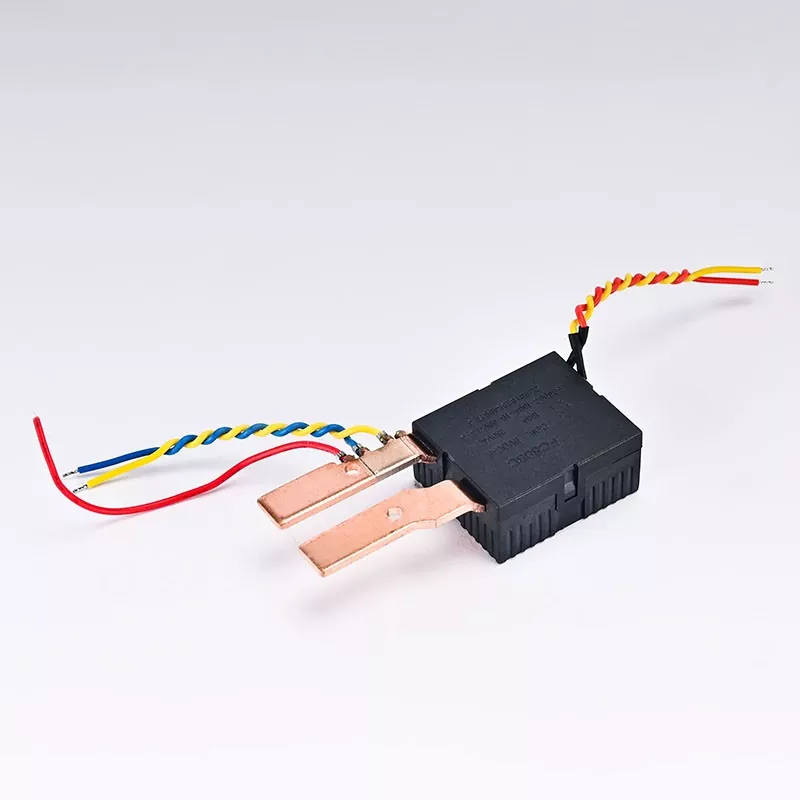
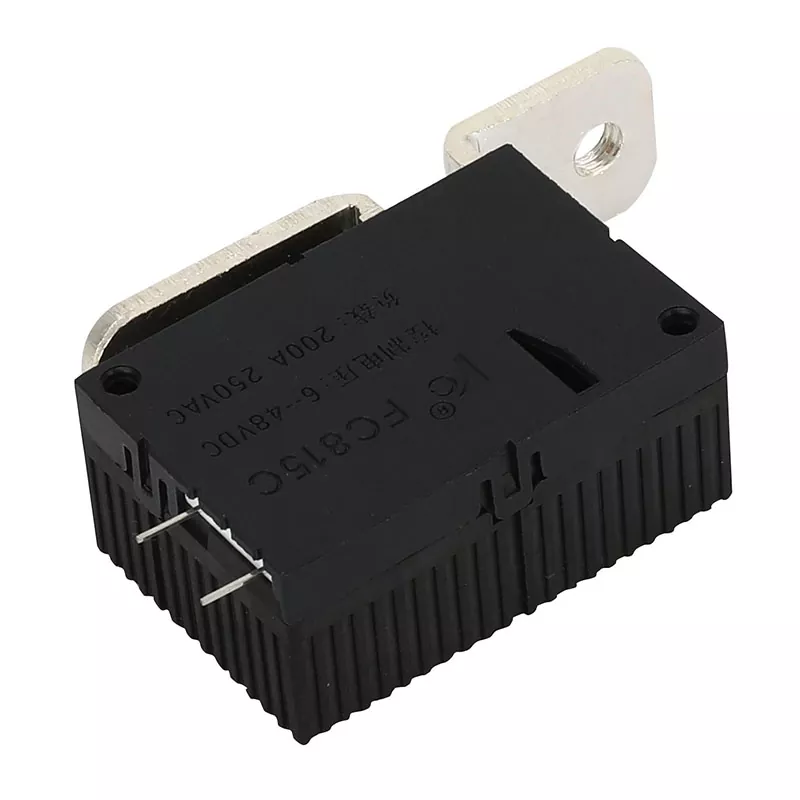
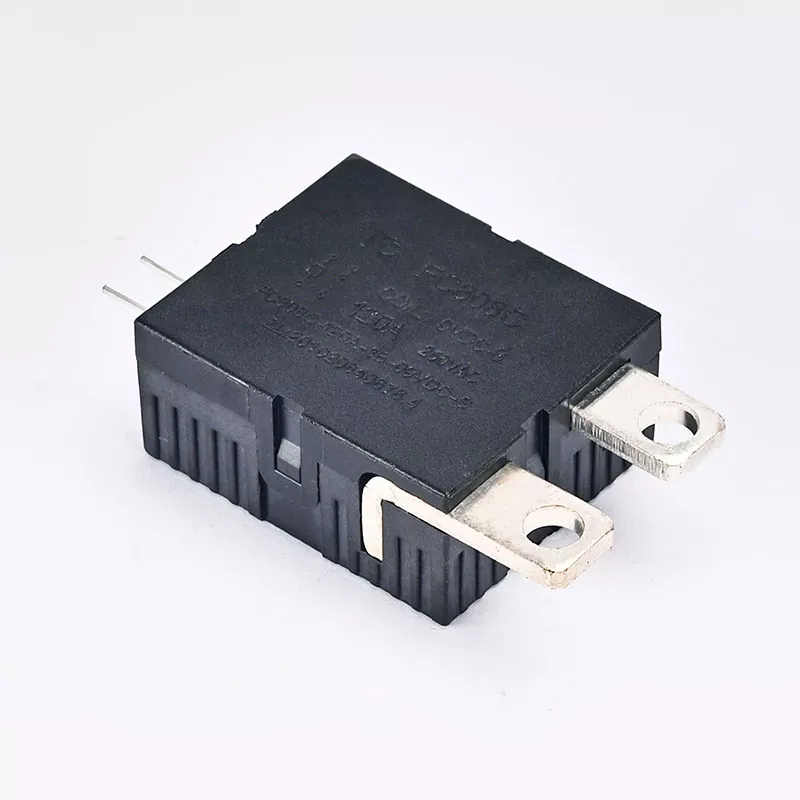
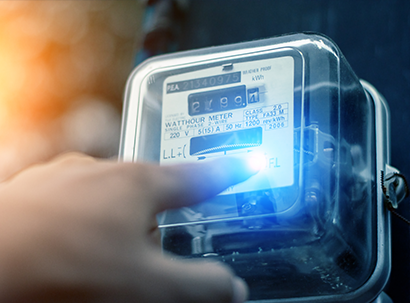
A Latching Relay for Smart Meter plays a crucial role in today’s intelligent energy management systems, enabling precise load control, ultra-low power consumption, and reliable remote switching. As global smart grid infrastructure expands, utilities and manufacturers increasingly rely on latching relay technology to improve efficiency, reduce energy loss, and enhance user safety. Companies such as Yueqing Face Electric Co., Ltd. have been at the forefront of developing stable and high-performance latching relays tailored for smart metering applications.
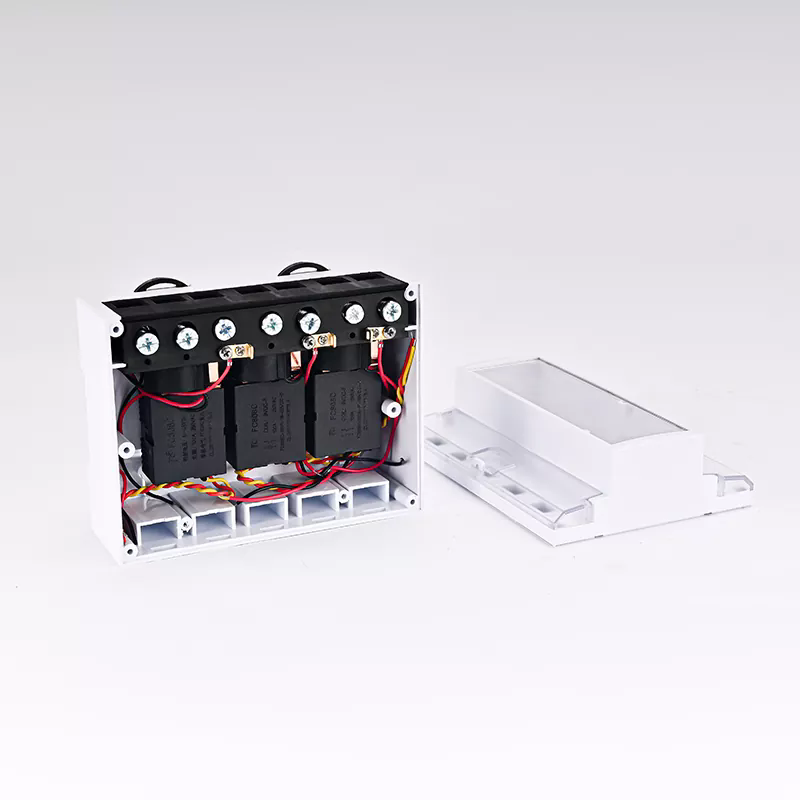
Latching Relay for Smart Meter


Table of Contents

  1. What Is a Latching Relay for Smart Meter?
  2. How Does a Latching Relay for Smart Meter Work?
  3. Why Are Latching Relays Critical for Smart Metering Systems?
  4. What Are the Advantages and Disadvantages of Latching Relays?
  5. Which Applications Use Latching Relay for Smart Meter?
  6. How to Choose the Right Latching Relay for Smart Meter?
  7. Latching Relay vs Conventional Relay: What Is the Difference?
  8. What Future Trends Are Shaping Smart Meter Latching Relays?
  9. Frequently Asked Questions
  10. References

What Is a Latching Relay for Smart Meter?

A Latching Relay for Smart Meter, also known as a bistable relay, is an electromechanical switching device designed to maintain its on or off state without continuous power. Unlike conventional relays that require constant coil energization, a latching relay only consumes power during the switching moment.

In smart meters, this characteristic is extremely valuable. Smart meters often operate under strict energy constraints and require long-term reliability. Manufacturers like Yueqing Face Electric Co., Ltd. design latching relays specifically to meet these demands, ensuring consistent performance even in harsh electrical environments.


How Does a Latching Relay for Smart Meter Work?

The operating principle of a Latching Relay for Smart Meter is based on magnetic memory. Once the relay is switched to a specific position, it remains latched until a reverse pulse is applied.

  • A short electrical pulse energizes the coil
  • The internal magnetic system locks the contact position
  • No further power is required to maintain the state
  • A reverse pulse changes the relay state when needed

This working mechanism dramatically reduces power consumption, making latching relays ideal for smart meters powered by limited auxiliary energy sources.


Why Are Latching Relays Critical for Smart Metering Systems?

Smart meters must support remote connection and disconnection, load management, and fault protection. A Latching Relay for Smart Meter enables these functions while maintaining energy efficiency.

Key reasons utilities choose latching relays include:

  • Remote load control for prepaid or postpaid metering
  • Reduced internal heat generation
  • Stable switching even during voltage fluctuations
  • Extended meter lifespan

With the rapid deployment of smart grids, suppliers such as Yueqing Face Electric Co., Ltd. continue to optimize relay structures to meet international utility standards.


What Are the Advantages and Disadvantages of Latching Relays?

Advantages of Latching Relay for Smart Meter

Advantage Description
Ultra-low power consumption Consumes energy only during switching
High reliability Maintains state during power outages
Compact design Ideal for space-limited smart meters
Long service life Reduced coil heating minimizes wear

Disadvantages of Latching Relay for Smart Meter

Limitation Explanation
Complex control Requires pulse-based driving circuitry
Higher initial cost More complex design than standard relays
Polarity sensitivity Incorrect pulses may cause malfunction

Which Applications Use Latching Relay for Smart Meter?

A Latching Relay for Smart Meter is widely applied across various energy management scenarios:

  • Residential smart electricity meters
  • Commercial energy monitoring systems
  • Prepaid metering solutions
  • Smart grid load control terminals
  • Renewable energy integration systems

These applications demand precise control, which is why manufacturers like Yueqing Face Electric Co., Ltd. focus on consistent contact resistance and robust mechanical endurance.


How to Choose the Right Latching Relay for Smart Meter?

Selecting the correct Latching Relay for Smart Meter depends on several technical factors:

  1. Rated voltage and current capacity
  2. Contact material and resistance
  3. Mechanical and electrical endurance
  4. Compliance with IEC and utility standards
  5. Supplier reliability and manufacturing experience

It is recommended to work with experienced manufacturers such as Yueqing Face Electric Co., Ltd. to ensure long-term stability and technical support.


Latching Relay vs Conventional Relay: What Is the Difference?

Feature Latching Relay Conventional Relay
Power consumption Only during switching Continuous when energized
State retention Maintains state without power Returns to default when power off
Suitability for smart meters Highly suitable Limited efficiency

What Future Trends Are Shaping Smart Meter Latching Relays?

The future of the Latching Relay for Smart Meter is closely tied to smart grid evolution. Trends include:

  • Miniaturization for compact meter designs
  • Higher switching accuracy
  • Integration with IoT-enabled metering modules
  • Enhanced resistance to electrical interference

Innovative manufacturers like Yueqing Face Electric Co., Ltd. continue to invest in R&D to meet these emerging demands.


Frequently Asked Questions

Q: What is the main function of a Latching Relay for Smart Meter?

A: Its main function is to remotely connect or disconnect electrical loads while consuming minimal power and maintaining state during outages.

Q: Why is a latching relay better than a normal relay in smart meters?

A: A latching relay uses power only when switching, making it far more energy-efficient and suitable for long-term smart meter operation.

Q: Can a Latching Relay for Smart Meter handle high current?

A: Yes, properly designed latching relays can handle high current loads, depending on contact material and structural design.

Q: How long does a smart meter latching relay last?

A: High-quality relays typically support hundreds of thousands of switching cycles under rated conditions.

Q: Is polarity control important in latching relays?

A: Yes, correct polarity or pulse direction is essential to ensure accurate switching and avoid malfunction.


References

  • IEC Standards for Electricity Metering Equipment
  • Smart Grid Technology Reports
  • Relay Design and Applications Handbook

Looking for a reliable Latching Relay for Smart Meter supplier with proven manufacturing experience? Yueqing Face Electric Co., Ltd. delivers high-performance relay solutions tailored to smart metering systems worldwide.

Contact us today to discuss your project requirements and receive professional technical support.

Related News
Leave me a message
X
We use cookies to offer you a better browsing experience, analyze site traffic and personalize content. By using this site, you agree to our use of cookies. Privacy Policy
Reject Accept